The artificial intelligence revolution has moved far beyond theoretical discussions and pilot programs. In 2026, AI automation will become the backbone of competitive business operations across the United States. Organizations that once viewed automation as a cost-cutting measure now recognize it as a strategic necessity for survival and growth in an increasingly digital economy.
From intelligent process automation that eliminates repetitive tasks to predictive analytics that anticipate market shifts, AI automation is reshaping how American businesses operate. The technology has matured significantly, offering solutions that are more accessible, scalable, and impactful than ever before.
This comprehensive guide explores the leading AI automation companies driving this transformation in 2026, examining how their innovations are revolutionizing industries and setting new standards for operational excellence.
Why AI Automation Is a Strategic Imperative in 2026
The business landscape of 2026 demands more than traditional efficiency improvements. Companies face unprecedented challenges including labor shortages, rising operational costs, increasing customer expectations, and accelerating technological change. AI automation addresses these challenges head-on by delivering capabilities that were unimaginable just a few years ago.
Operational Efficiency at Scale: Modern AI automation platforms can handle millions of transactions simultaneously while maintaining accuracy rates that surpass human capabilities. This scalability allows businesses to grow without proportionally increasing their workforce or infrastructure costs.
Data-Driven Decision Making: With businesses generating more data than ever, AI automation tools process vast information streams in real-time, extracting actionable insights that inform strategic decisions. This capability transforms data from a liability into a competitive advantage.
Enhanced Customer Experiences: AI-powered automation enables personalized customer interactions at scale, from intelligent chatbots that resolve issues instantly to recommendation engines that anticipate customer needs before they're expressed.
Risk Mitigation and Compliance: Automated compliance monitoring and risk assessment tools help organizations navigate increasingly complex regulatory environments while reducing the potential for costly human errors.
Competitive Differentiation: In 2026, AI automation is no longer a luxury but a baseline requirement for market competitiveness. Companies that fail to adopt these technologies find themselves unable to match the speed, accuracy, and innovation of their automated competitors.
The question for business leaders is no longer whether to adopt AI automation, but how quickly they can implement it effectively.
Top 10 AI Automation Companies in the USA – 2026
1. AI Development Service
Founded: 2023
Headquarter: Wilmington, DE, USA
Employees: 50+
AI Development Service has established itself as a comprehensive automation partner for enterprises seeking end-to-end AI Adaptive transformation. Their approach combines technical expertise with deep industry knowledge, enabling them to deliver customized solutions that align with specific business objectives.
The company excels in developing intelligent automation systems that integrate seamlessly with existing enterprise infrastructure. Their solutions span the full automation spectrum, from robotic process automation for routine tasks to advanced machine learning models that optimize complex decision-making processes.
What distinguishes AI Development Service is their consultative methodology. Rather than offering one-size-fits-all products, they conduct thorough assessments of each client's operations, identifying automation opportunities that deliver maximum ROI. Their implementation framework ensures smooth deployment with minimal disruption to ongoing operations.
Build Intelligent AI Solutions
2. Suffescom Solutions
Founded: 2013
Headquarter: Wilmington, DE, USA
Employees: 250+
Suffescom Solutions has carved out a distinctive position in the AI automation market by focusing on blockchain-integrated automation solutions. Their innovative approach combines traditional automation technologies with distributed ledger systems, creating transparent, secure, and auditable automated processes.
The company's expertise spans smart contract automation, decentralized application development, and AI-powered blockchain analytics. This unique combination proves particularly valuable for industries requiring high levels of trust and transparency, such as supply chain management, financial services, and healthcare.
Suffescom's automation platforms emphasize security and data integrity, addressing growing concerns about AI system vulnerabilities. Their solutions incorporate advanced encryption, multi-factor authentication, and immutable audit trails, ensuring that automated processes maintain the highest security standards.
3. RisingMax
Founded: 2015
Headquarter: Wilmington, DE, USA
Employees: 150+
RisingMax has built its reputation on delivering rapid deployment of AI automation solutions without sacrificing customization or quality. Their agile development methodology enables businesses to implement sophisticated automation systems in weeks rather than months, a critical advantage in fast-moving markets.
The company specializes in conversational AI, computer vision applications, natural language processing systems, and workflow automation platforms. Their pre-built automation modules serve as starting points that can be extensively customized to meet specific business requirements.
4. TaskFlow AI Solutions
TaskFlow AI Solutions focuses exclusively on workflow optimization through intelligent automation. Their platform-based approach enables businesses to visualize, design, and automate complex workflows without extensive coding requirements.
The company's flagship platform uses AI to analyze existing business processes, identify bottlenecks, and recommend automation opportunities. This process mining capability provides data-driven insights that help organizations prioritize their automation initiatives based on potential impact.
5. UiPath
UiPath remains a dominant force in the robotic process automation sector, having evolved from a pure-play RPA provider to a comprehensive automation platform. Their technology stack now encompasses AI-powered document understanding, process mining, and intelligent automation orchestration.
The company's platform approach enables organizations to automate everything from simple repetitive tasks to complex end-to-end processes. Their automation cloud provides centralized governance and management of automation initiatives across entire enterprises, ensuring consistency and compliance.
6. Microsoft
Microsoft's entry into AI automation leverages its dominant position in enterprise software to deliver integrated automation capabilities across its product ecosystem. Their Power Platform combines Power Automate for workflow automation with AI Builder for incorporating machine learning models into business processes.
The seamless integration with Microsoft 365, Dynamics 365, and Azure creates compelling automation scenarios for organizations already invested in the Microsoft ecosystem. Users can automate processes spanning email, documents, collaboration tools, and business applications without switching platforms.
7. IBM
IBM brings decades of enterprise technology experience to the AI automation market through its Watson platform and comprehensive automation portfolio. Their solutions combine AI, automation, and analytics to address complex enterprise challenges that require sophisticated technological approaches.
IBM's strength lies in handling unstructured data and applying advanced AI models to real-world business problems. Watson's natural language processing and machine learning capabilities enable the automation of tasks that previously required human judgment and interpretation.
8. Wildnet Edge
Wildnet Edge has emerged as a specialist in edge computing automation, addressing the growing need for AI processing at the network edge rather than centralized data centers. Their solutions enable real-time automation in scenarios where latency and connectivity constraints make cloud-based processing impractical.
The company's edge AI platforms support use cases in manufacturing, retail, transportation, and smart buildings, where immediate automated responses to sensor data and video feeds create significant operational value. Their technology processes data locally, reducing bandwidth requirements and enabling automation even when internet connectivity is intermittent.
9. Deviniti
Deviniti specializes in intelligent automation solutions that combine RPA with advanced AI capabilities to handle complex business processes. Their focus on continuous improvement and optimization sets them apart in a market often dominated by initial implementation metrics.
The company's methodology emphasizes measuring and improving automation performance over time. Their platforms incorporate analytics that track automation efficiency, identify opportunities for enhancement, and automatically adjust workflows to optimize outcomes.
10. WorkFusion
WorkFusion has pioneered the concept of intelligent automation for the modern workforce, creating platforms that combine human and machine capabilities in collaborative workflows. Their technology enables seamless handoffs between automated and human-performed tasks, optimizing for both efficiency and quality.
The company's AI-powered automation platform excels at document-intensive processes common in financial services, insurance, and back-office operations. Their solutions can extract data from complex documents, validate information across multiple systems, and route exceptions to human workers when automated processing encounters ambiguity.
How These Companies Are Transforming Key Industries
Banking & Finance
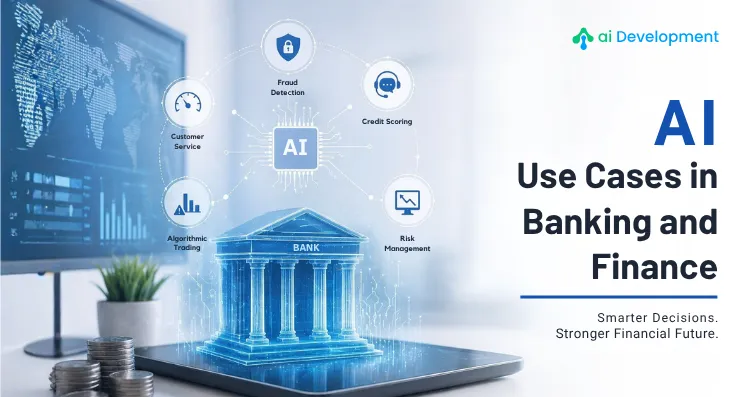
The financial services industry has emerged as one of the most aggressive adopters of AI automation, driven by regulatory pressures, competitive dynamics, and the sheer volume of transactions requiring processing. The leading automation companies have developed solutions that address the sector's unique requirements for accuracy, security, and compliance.
Fraud detection systems powered by AI analyze transaction patterns in real-time, identifying suspicious activities with far greater accuracy than rule-based systems. These platforms process millions of transactions simultaneously, flagging anomalies for investigation while allowing legitimate transactions to proceed without friction.
Healthcare
Healthcare automation addresses critical challenges around staff shortages, rising costs, and the imperative to improve patient outcomes. The leading AI automation companies have developed solutions that enhance both clinical and administrative operations while maintaining the high standards required in medical settings.
Patient scheduling and registration have been streamlined through intelligent automation that coordinates appointments, verifies insurance coverage, and prepares necessary documentation. These systems reduce no-shows through automated reminders and optimize provider schedules to maximize patient access.
Retail & E-commerce
Retail has been fundamentally reshaped by AI automation that personalizes customer experiences, optimizes operations, and creates seamless omnichannel shopping journeys. The leading automation companies have enabled retailers to compete effectively in an environment where customer expectations continue to escalate.
Personalized product recommendations driven by AI analyze browsing behavior, purchase history, and similar customer patterns to suggest relevant products. These systems increase conversion rates and average order values while improving customer satisfaction through more relevant shopping experiences.
Manufacturing & Logistics
Manufacturing and logistics operations have been transformed by AI automation that increases efficiency, reduces waste, and enables mass customization previously impossible with traditional production methods. The leading automation companies have developed solutions specifically designed for physical operations environments.
Predictive maintenance systems analyze sensor data from manufacturing equipment to predict failures before they occur. This automation reduces unplanned downtime, extends equipment life, and optimizes maintenance schedules to minimize production disruptions.
Technology & SaaS
Technology companies and SaaS providers leverage AI automation both internally to improve operations and as features within their products. The leading automation companies have enabled tech firms to scale rapidly while maintaining service quality and innovation velocity.
Software development has been enhanced by AI-powered code generation, automated testing, and intelligent debugging tools. These systems accelerate development cycles while reducing bugs and improving code quality.
The Future of AI Automation: What to Expect Beyond 2026
The AI automation landscape continues to evolve rapidly, with several trends shaping what lies ahead. Understanding these emerging developments helps organizations prepare for the next wave of automation capabilities and opportunities.
Autonomous Decision-Making Systems: Future automation will move beyond executing predefined rules to making complex decisions independently. These systems will analyze situations, consider multiple factors, and choose optimal courses of action with minimal human oversight. This evolution will enable the automation of strategic and creative processes currently considered too complex for machines.
Explainable and Transparent AI: Growing regulatory requirements and business needs will drive the development of AI systems that can explain their decisions in human-understandable terms. This transparency will increase trust and enable automation in sensitive domains where accountability is paramount.
Edge Intelligence Proliferation: More AI processing will occur at the edge rather than centralized cloud environments. This shift will enable real-time automation in scenarios where latency or connectivity constraints currently limit possibilities, from autonomous vehicles to smart manufacturing.
Collaborative Human-AI Workflows: Rather than replacing humans, advanced automation will focus on augmenting human capabilities. Systems will understand context, anticipate needs, and seamlessly collaborate with humans in ways that feel natural and intuitive.
Sustainability-Focused Automation: Environmental concerns will drive the development of automation solutions optimized for energy efficiency and sustainability. AI systems will help organizations reduce their carbon footprint through optimized resource utilization and supply chain management.
Why Partner with AI Development Service for AI Automation ?
Selecting the right automation partner can determine the success or failure of AI transformation initiatives. AI Development Service offer distinct advantages that make them an ideal partner for organizations serious about automation.
Comprehensive Expertise Across Technologies: Rather than specializing in a single automation approach, the AI Development Service maintains deep expertise across the full spectrum of AI and automation technologies. This breadth enables them to recommend and implement the optimal technology mix for each unique business challenge, avoiding the one-size-fits-all approach that limits many providers.
Industry-Specific Knowledge: The company's teams include specialists with deep experience in specific industries, ensuring that automation solutions incorporate relevant best practices and address industry-specific challenges. This domain expertise accelerates implementation and increases the likelihood of successful outcomes.
Proven Implementation Methodology: AI Development Service has refined their implementation approach through hundreds of successful projects. Their methodology balances speed with thoroughness, enabling rapid progress while maintaining the rigor necessary for sustainable automation programs. This structured approach reduces implementation risks and ensures knowledge transfer to client teams.
Focus on Business Outcomes: While many automation providers emphasize technology features, AI Development Service maintains a relentless focus on measurable business results. Their engagement model includes clear success metrics established upfront and regular measurement of progress against these targets. This accountability ensures that automation investments deliver expected returns.
Scalable Solutions Architecture: The company designs automation solutions with scalability in mind from the outset. Their architectures support starting with focused pilots and expanding to enterprise-wide implementations without requiring fundamental redesigns. This approach enables organizations to prove value quickly while maintaining a path to comprehensive automation.
Ongoing Optimization and Support: AI Development Service views automation as an ongoing journey rather than a one-time project. Their support model includes continuous monitoring, performance optimization, and evolution of automation capabilities as business needs change. This long-term partnership approach ensures sustained value from automation investments.
Change Management Integration: Recognizing that technology represents only part of successful automation, AI Development Service incorporates change management into their methodology. They work with client teams to drive adoption, build internal capabilities, and create sustainable automation practices that outlast specific implementation projects.
Replace Manual Work with AI
FAQs
1. What is AI automation and why is it important for businesses in 2026?
Ans. AI automation refers to using artificial intelligence to perform repetitive tasks, analyze data, and optimize workflows without constant human intervention. In 2026, it will help businesses improve efficiency, reduce errors, and scale operations faster.
2. How do I choose the right AI automation company for my business?
Ans. Look for companies with proven experience, strong AI expertise, industry-specific solutions, client reviews, and a track record of successful implementations. Customized solutions and post-deployment support are also key factors.
3. What industries benefit most from AI automation services?
Ans. AI automation is widely used in finance, healthcare, e-commerce, manufacturing, logistics, and customer service. Any industry with repetitive processes or large-scale data operations can benefit.
4. Are AI automation solutions expensive to implement?
Ans. Costs vary depending on the project size, complexity, and type of AI solution. Many companies now offer scalable options for small to large enterprises, making AI automation accessible to a wider range of businesses in 2026.
5. What trends in AI automation should businesses watch in 2026?
Ans. Key trends include generative AI for content and process optimization, AI-powered predictive analytics, hyperautomation, explainable AI for transparency, and AI-driven decision-making tools to enhance productivity.