Key Takeaways:
- AI physiotherapy apps use computer vision and machine learning to analyze patient movements in real time, delivering accurate exercise correction and personalized rehabilitation programs without requiring constant in-person supervision.
- Adaptive AI enables treatment plans that continuously evolve based on individual patient recovery speed, compliance patterns, and pain feedback—dramatically improving outcomes over static exercise programs.
- Development costs range from $25,000 for a basic MVP to $250,000+ for enterprise-grade platforms with full computer vision, EHR integration, and telehealth capabilities.
- The market opportunity extends naturally into adjacent healthcare applications, including chronic disease management.
- The global digital physiotherapy market is projected to reach $731.5 million by 2030, growing at a CAGR of 17.8%, driven by aging populations.
Physiotherapy has always been labor-intensive by nature—one therapist, one patient, one session at a time. That model works, but it doesn't scale. Patients struggle with compliance between sessions, therapists lack visibility into what happens outside the clinic, and millions of people in underserved areas never access rehabilitation services at all. Artificial intelligence is changing this equation fundamentally.
AI physiotherapy apps combine computer vision, motion tracking, machine learning, and personalized care delivery into platforms that extend the reach of physiotherapy beyond clinic walls. Patients receive real-time movement correction during home exercises. This guide walks you through everything involved in building an AI physiotherapy app—from core features and development process to technology stack, compliance requirements, and realistic cost expectations.
What is AI Physiotherapy App Development?
AI physiotherapy app development involves creating digital rehabilitation platforms that use artificial intelligence to guide, monitor, and personalize physical therapy for patients outside traditional clinical settings. Unlike basic telehealth apps that simply connect patients with therapists via video, AI physiotherapy apps actively analyze movement, provide real-time feedback, and adapt treatment programs based on patient performance data.
The core technology stack combines computer vision for body pose estimation, machine learning models trained on rehabilitation movement data, and personalization engines that adjust exercise programs based on individual progress.
Generative AI development is adding another dimension to these platforms—enabling the automatic creation of personalized exercise content, generating plain-language explanations of complex rehabilitation concepts for patients, and producing detailed progress reports tailored to individual recovery journeys. This makes AI physiotherapy apps not just movement analyzers but comprehensive rehabilitation companions that communicate naturally with patients throughout their recovery.
Key Benefits of AI Physiotherapy Apps
For Patients
The most immediate benefit patients experience is access. AI physiotherapy apps deliver guided rehabilitation at any time, from any location, eliminating the geographic, scheduling, and financial barriers that prevent many patients from completing their prescribed therapy courses. Real-time movement correction means patients exercise correctly from day one rather than reinforcing poor movement patterns during unsupervised home sessions.
For Physiotherapists and Clinics
Therapists gain visibility they've never had before. Remote monitoring dashboards show exactly which exercises patients completed, how accurately they performed each movement, and where compliance dropped off. This data transforms follow-up appointments from status updates into targeted interventions addressing specific identified issues. Clinics can extend their effective patient capacity significantly—therapists can monitor many more patients remotely than they can see in person—while maintaining meaningful clinical oversight of each rehabilitation journey.
For Healthcare Providers and Insurers
At a system level, AI physiotherapy apps reduce costs meaningfully. Better compliance with rehabilitation programs reduces hospital readmission rates following orthopedic procedures. Early detection of movement deterioration prevents minor issues from becoming major reinjuries. Scalable delivery models mean healthcare providers can extend rehabilitation services to patient populations that previously couldn't access them, improving population health outcomes while reducing the long-term cost burden of untreated musculoskeletal conditions.
Turn Your Rehabilitation Vision Into Reality
Must-Have Features of an AI Physiotherapy App
Patient-Facing Features
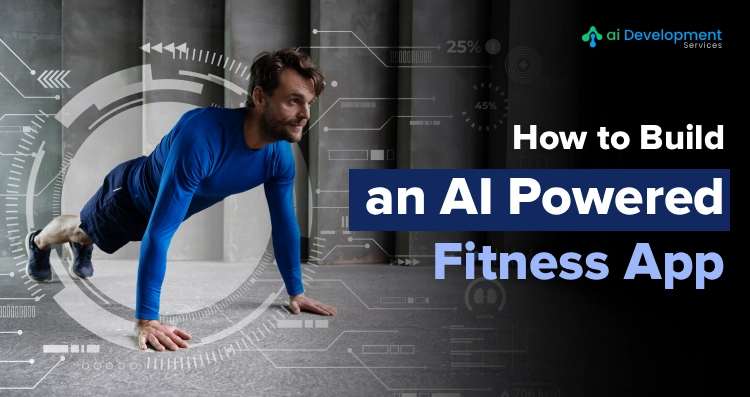
AI-powered movement analysis forms the technical centerpiece of any serious AI physiotherapy app. Using the device's front or rear camera, the app tracks body landmarks in real time, measures joint angles, and assesses movement quality against clinical benchmarks. Patients receive instant visual and audio feedback when their form deviates from prescribed parameters—correcting issues as they happen rather than allowing them to persist throughout an entire exercise session.
Personalized exercise library delivers video-guided exercises with clear demonstrations, modification options for different ability levels, and progressive difficulty scaling as patients improve. Content should cover the major rehabilitation specializations—orthopedic recovery, sports injury rehabilitation, chronic pain management, neurological rehabilitation, and post-surgical recovery.
Progress tracking dashboard visualizes recovery through intuitive charts showing exercise completion rates, movement accuracy scores over time, pain level trends, and milestone achievements. Making progress visible maintains patient motivation during what are often long, frustrating rehabilitation journeys.
Appointment scheduling and video consultation integrate synchronous therapist communication for cases requiring professional assessment, maintaining the human clinical relationship while reducing unnecessary in-person visits.
Symptom and pain logging capture daily patient-reported outcomes that inform AI personalization decisions and provide therapists with longitudinal data between sessions.
Wearable device integration with Apple Watch, Fitbit, Garmin, and other health devices enriches movement data with heart rate, activity levels, sleep quality, and other health metrics that provide context for rehabilitation progress assessment.
Therapist-Facing Features
The therapist portal requires its own carefully designed feature set—patient management dashboards with compliance alerts, remote session monitoring tools, customizable exercise plan builders, detailed adherence reporting, secure clinical documentation, and billing and insurance claim integration. Therapists need tools that make remote oversight efficient rather than adding administrative burden to already demanding workloads.
Advanced AI Features
Adaptive AI development represents the most clinically valuable advanced capability—treatment plans that automatically adjust exercise difficulty, frequency, and variety based on measured patient recovery trajectories. A patient recovering faster than predicted sees their program appropriately accelerated; a patient experiencing a setback receives modified exercises targeting the specific movement deficits identified by the AI's ongoing assessment.
Predictive injury risk assessment analyzes movement patterns to identify compensatory behaviors that indicate emerging injury risk before pain develops, enabling preventive intervention.
AI chatbot for between-session support answers common patient questions, provides exercise reminders, collects symptom reports, and escalates concerning symptoms to clinical attention—maintaining patient engagement and safety during the extended periods between scheduled therapist interactions.
AI Physiotherapy App Development Process
Step 1: Market Research and Concept Validation
Before development begins, validate your specific positioning within the physiotherapy app market. Define your primary user segment—post-surgical recovery, sports injury rehabilitation, chronic back pain, elderly mobility, neurological rehabilitation—since each requires different AI model training, feature prioritization, and regulatory pathways. Interview practicing physiotherapists about their remote monitoring needs and pain points with existing tools. This clinical input shapes product decisions that no amount of technology research can replace.
Step 2: Define App Type and MVP Scope
Decide whether you're building a B2C patient-facing app, a B2B clinic management platform, or an integrated solution serving both. Define your MVP scope ruthlessly—the minimum feature set that demonstrates genuine clinical value. For most AI physiotherapy apps, this means core movement analysis for a defined exercise set, basic progress tracking, and one communication channel between patients and therapists. Resist scope expansion until your MVP validates the core clinical value proposition.
Step 3: Choose Your Technology Stack
Your technology choices significantly impact clinical accuracy and development cost. For frontend development, React Native and Flutter deliver cross-platform applications that work consistently across the iOS and Android devices patients and therapists actually use. Python provides the strongest ecosystem for AI and machine learning development, with TensorFlow and PyTorch powering movement analysis models, and MediaPipe delivering real-time pose estimation with the performance characteristics mobile devices require.
Step 4: AI Model Development and Training
The quality of your movement analysis AI determines your app's clinical credibility. This requires assembling training datasets of correctly and incorrectly performed rehabilitation exercises, labeled by qualified physiotherapists. Your pose estimation models must achieve accuracy levels that support confident real-time feedback—which demands substantial training data, rigorous validation against clinical standards, and ongoing retraining as your patient population generates real-world movement data.
Step 5: UX/UI Design for Healthcare Contexts
Healthcare app design carries higher stakes than consumer app design—confusing interfaces cause patients to exercise incorrectly, miss important alerts, or abandon programs that could significantly improve their recovery. Design principles for physiotherapy apps prioritize accessibility for users with limited mobility or dexterity, clear visual exercise demonstrations that work without sound in environments where audio isn't practical, trust-building elements that communicate clinical validation and data privacy, and simple onboarding flows that don't overwhelm patients already managing the cognitive load of injury recovery.
Step 6: Development, Integration, and Testing
Agile sprint-based development with regular clinical stakeholder reviews ensures the product evolving through development actually solves the physiotherapy workflow problems you identified in research. Critical integrations include EHR and EMR systems that connect your app to existing clinical records, payment processing and insurance billing for clinic-facing versions, and telehealth video consultation infrastructure for synchronous therapist-patient sessions.
Testing for AI physiotherapy apps must include clinical accuracy validation—your movement detection performs correctly across the demographic diversity of your intended patient population—alongside standard functional, security, and performance testing.
Step 7: Compliance and Regulatory Approval
Healthcare app compliance is non-negotiable and jurisdiction-specific. HIPAA compliance governs data handling for US-market apps, requiring specific technical safeguards, administrative procedures, and business associate agreements with all service providers handling protected health information. European deployment requires GDPR compliance for personal data processing. Apps making specific therapeutic claims may require FDA digital therapeutics classification in the US, triggering clinical trial requirements before market launch.
Step 8: Launch and Continuous Improvement
Launch strategy for AI physiotherapy apps should prioritize onboarding a cohort of physiotherapy clinics as early adopters. Clinical champions within these early-adopter practices generate the real-world patient data that improves your AI models, provide credible testimonials that support broader clinical adoption, and surface product gaps that weren't visible during development. Plan for continuous model retraining as patient data accumulates—your movement analysis AI on launch day should be significantly less accurate than your AI twelve months post-launch.
Compliance and Data Privacy
Healthcare data carries the strictest privacy requirements of any consumer data category, and physiotherapy apps are no exception. HIPAA compliance for US deployments requires end-to-end encryption for all patient data, strict access controls ensuring only authorized users access protected health information, comprehensive audit logs of all data access and modifications, and signed business associate agreements with every cloud and service provider in your technical stack.
GDPR compliance for European markets requires explicit patient consent for each category of data processing, clear data retention policies, patient rights to access and delete their data, and data protection impact assessments for high-risk processing activities. The FDA's digital therapeutics pathway applies if your app makes specific clinical claims about treating or managing physiological conditions—a distinction requiring careful attention during product positioning and marketing.
Cost to Develop an AI Physiotherapy App
Development investment varies substantially based on feature scope, AI sophistication, and platform requirements.
A basic MVP covering core movement analysis for a defined exercise set, patient progress tracking, and basic therapist communication typically costs $25,000–$50,000 with a 3-5 month development timeline. This scope is appropriate for validating the concept with a specific patient population before committing to full platform development.
A mid-level platform with comprehensive patient and therapist portals, adaptive AI personalization, wearable device integration, and telehealth consultation capabilities typically requires $50,000–$100,000 and 5-8 months of development. This scope supports commercial launch as a clinic-facing B2B product.
An advanced enterprise solution incorporating full computer vision-based movement analysis, EHR integration, insurance billing, multi-condition rehabilitation programs, and clinical analytics requires $100,000–$250,000+ with 8-12+ months of development time.
Ongoing costs post-launch include AI model retraining and performance optimization, cloud infrastructure scaling with your patient population, annual compliance audits and security assessments, and feature development—typically 15-20% of initial development costs annually.
Expanding Beyond Physiotherapy: Connected Healthcare Opportunities
AI physiotherapy platforms create natural expansion pathways into adjacent healthcare applications. The rehabilitation journey frequently intersects with mental health—chronic pain significantly impacts psychological wellbeing, and recovery anxiety is a documented barrier to physiotherapy compliance. Incorporating AI mental health app development capabilities into physiotherapy platforms addresses the psychological dimensions of physical rehabilitation that pure movement-focused apps ignore entirely.
Elderly care and fall prevention represent a substantial adjacent market—movement analysis capabilities developed for rehabilitation apply directly to gait assessment and fall risk prediction in older adults. Sports performance optimization extends the same AI infrastructure from rehabilitation into injury prevention and performance enhancement for athletic populations. Chronic disease management platforms benefit from physiotherapy AI's movement monitoring and compliance tracking capabilities for conditions like diabetes, cardiovascular disease, and arthritis where physical activity is a primary treatment component.
Why Choose AI Development Service for App Development?
AI Development Service brings the technical depth and healthcare domain expertise that AI physiotherapy app development specifically demands. Their research-oriented approach to AI development means movement analysis models built with genuine clinical validation methodology rather than generic computer vision applied to healthcare contexts. Their experience with adaptive AI systems ensures personalization engines that improve meaningfully with patient data rather than delivering superficial customization.
Their transparent communication approach keeps clinical and business stakeholders meaningfully informed throughout development—a particularly important capability in healthcare projects where clinical accuracy decisions require ongoing domain expert input.
Start Building Your Healthcare AI App
Final Thoughts
AI physiotherapy app development sits at a genuinely exciting intersection of clinical need, technological capability, and market opportunity. The limitations of traditional physiotherapy—geographic barriers, compliance gaps, limited therapist visibility between sessions, and scalability constraints—are real problems that AI addresses with measurable effectiveness. The market is growing, the technology is mature enough for production deployment, and patient and clinician appetite for digital rehabilitation tools has been validated by multiple successful platforms.
The opportunity window for differentiated AI physiotherapy platforms remains open, but it won't stay that way indefinitely. The time to build is now.
FAQs: AI Physiotherapy App Development
Q1: How does AI detect and correct movement in physiotherapy apps?
Ans. AI physiotherapy apps use computer vision and pose estimation models—primarily running on MediaPipe or similar frameworks—to identify body landmarks through the device camera in real time. The system measures joint angles and movement trajectories, comparing them against clinically validated benchmarks for each exercise.
Q2: How long does it take to develop an AI physiotherapy app?
Ans. Development timelines depend heavily on scope. A focused MVP with core movement analysis and basic therapist communication typically takes 3-5 months. A full-featured commercial platform with adaptive AI, wearable integration, and telehealth capabilities requires 6-9 months.
Q3: What compliance requirements must an AI physiotherapy app meet?
Ans. US-market apps must achieve HIPAA compliance covering technical safeguards for protected health information, audit trails, and business associate agreements with all service providers. European deployment requires GDPR compliance for personal data processing. Apps making specific therapeutic claims may require FDA digital therapeutics classification before US launch.
Q4: Can AI physiotherapy apps replace in-person physiotherapy sessions?
Ans. No—and the most effective platforms don't try to. AI physiotherapy apps work best as hybrid models that extend the clinical relationship between in-person sessions rather than replacing them entirely. Complex assessments, manual therapy techniques, and initial injury evaluation require in-person expertise that no current AI can replicate.
Q5: How do AI physiotherapy apps protect patient data privacy?
Ans. Comprehensive data protection requires end-to-end encryption for all patient data in transit and at rest, role-based access controls ensuring only authorized users access protected health information, patient consent management systems capturing explicit permission for each data processing activity, HIPAA-compliant cloud infrastructure with appropriate data residency controls, regular security audits and penetration testing, and clear data retention and deletion policies.